Against the backdrop of deepening digital transformation and the accelerated rise of new quality productive forces, computing and network convergence has become the robust engine supporting the high-quality development of the digital economy. It is also a crucial cornerstone for activating industrial innovation and reshaping economic growth paradigms. China's computing and network convergence is currently undergoing a critical transition from small-scale technical application to simultaneous improvements in both quantity and quality. This phase is characterised by increasingly clear policy objectives, accelerated collaborative evolution in industrial construction, continuous enhancement in the efficiency of localised technological breakthroughs, and the deep integration and implementation of industry applications, all of which are accelerating the reshaping of the digital economy's development paradigm.
Official Release of the “Computing and Network Convergence Technology and Industry Research Report ” Co-Authored by ClusterTech Beijing Limited
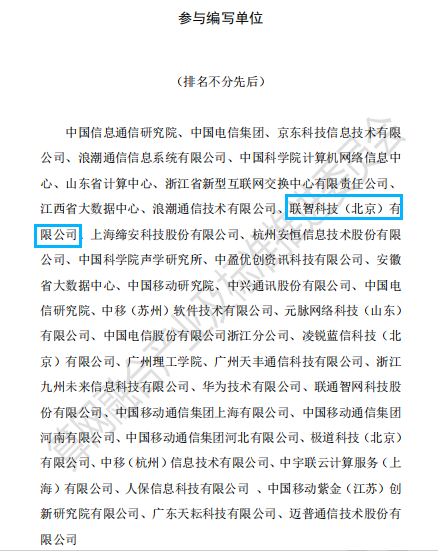
To fully leverage the industry-empowering value of computing and network convergence in digital transformation and to implement relevant national policies, the Computing and Network Convergence Industry and Standards Promotion Committee of the China Communications Standards Association (CCSA TC621) spearheaded the compilation of the Research Report on Computing and Network Convergence Technology and Industry Research Report, which was officially released recently. Drawing on its profound accumulation and experience in the field of high-performance computing and intelligent computing power infrastructure, ClusterTech Beijing Limited deeply participated in the drafting of this Report.
Continuous Upgrade of the "4+1" Architecture: A Panoramic View of Core Technologies and Industries
In 2024, the connotation and architecture of computing and network convergence achieved rapid development. The "4+1" architecture, centered around "computing-oriented networking, network-oriented computing, computing-network-data integration, computing-network security, and computing-network infrastructure"—has been further refined.
In the area of computing-oriented networking, technologies such as SD-WAN, edge-cloud computing collaboration, and RoCE+ deterministic networking enable refined management and intelligent scheduling, addressing core challenges like cross-domain computing power scheduling.
Computing-Oriented Networking: Relying on technologies such as SD-WAN edge-cloud-computing synergy and RoCE+ determinism, it achieves refined management and intelligent scheduling, resolving pain points like cross-domain computing power scheduling.
Network-Oriented Computing: By adapting to diverse industrial needs through HPC/AI convergence and "Video + AI" cloud-edge synergy, it has already demonstrated significant results across multiple vertical domains.
Computing-Network-Data Integration: The three major elements of computing-network-data integration - storage, computing, and networking, are evolving synergistically, further unlocking the value of data elements, driving business innovation and empowering multiple application scenarios.
Computing-Network Security: Policy standards are progressively improving, with continuous upgrades to architectures such as zero trust and network resilience. The integration of new technologies has fortified the protective barriers for computing and networking convergence across industries.
Computing-Network Infrastructure: As the nation advances the construction of a national integrated computing power network, computing-network infrastructure is evolving toward a cloud-edge-device distributed system. It is upgrading to become greener and more efficient, optimising layout and resource allocation.
The report systematically analyses the core challenges facing computing and network convergence and proposes actionable development recommendations from dimensions such as technical standard system construction, cross-regional collaborative development, and industrial ecosystem activation. This clarifies the direction and builds consensus for all industry parties, driving the high-quality development of the computing and network convergence industry.
Furthermore, the report systematically outlines the development trajectory of computing and network convergence technologies and industries, providing insights into cutting-edge trends and practical pathways. It deeply analyses the current development status, opportunities, challenges, and ecological construction directions of computing and network convergence, offering a valuable reference for all industries. It is hoped that the sharing of these research findings will serve as an opportunity to further promote technological research and practical implementation in the field of computing and network convergence.


