On 14 November 2025, the fifth Education & Research EaaS Seminar, hosted by CTS Limited ( ClusterTech Limited Shanghai subsidiary) and guided by the Shanghai Artificial Intelligence Technology Association (SAITA) concluded successfully in Quanzhou, Fujian—a historic and cultural city. Under the theme of “Breaking in-campus computing bottlenecks, shaping domestic procurement strategies, and advancing LLM and agent applications”, the event brought together university researchers and technical professionals to discuss computing challenges and future directions in AI-driven education and research.
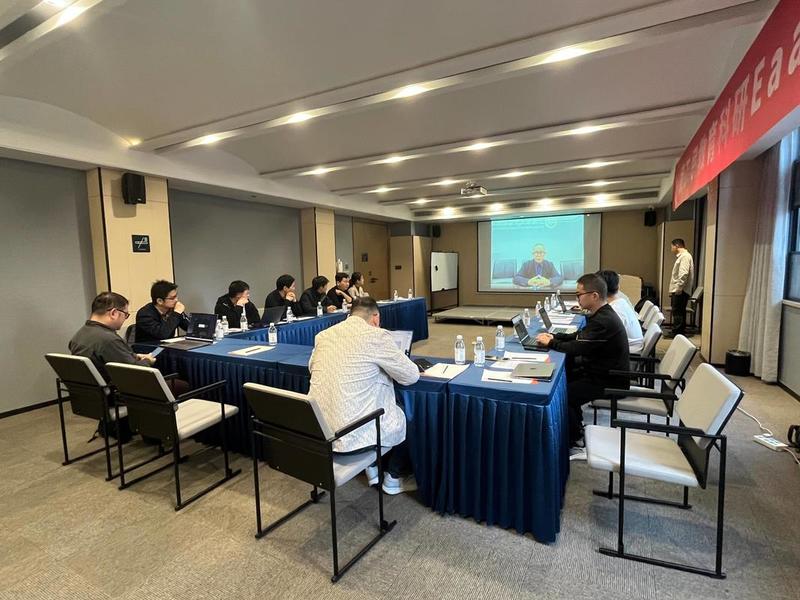
In the opening address, Secretary-General Zhu Weimin of the Shanghai Artificial Intelligence Technology Association noted that while AI is reshaping knowledge creation and talent cultivation, computing power constraints have shifted from a simple supply–demand imbalance to a structural issue. He suggested that a new "computing-as-a-service" model, where computing power becomes on-demand resource rather than fixed assets, could improve research efficiency.
Diverse views on computing challenges
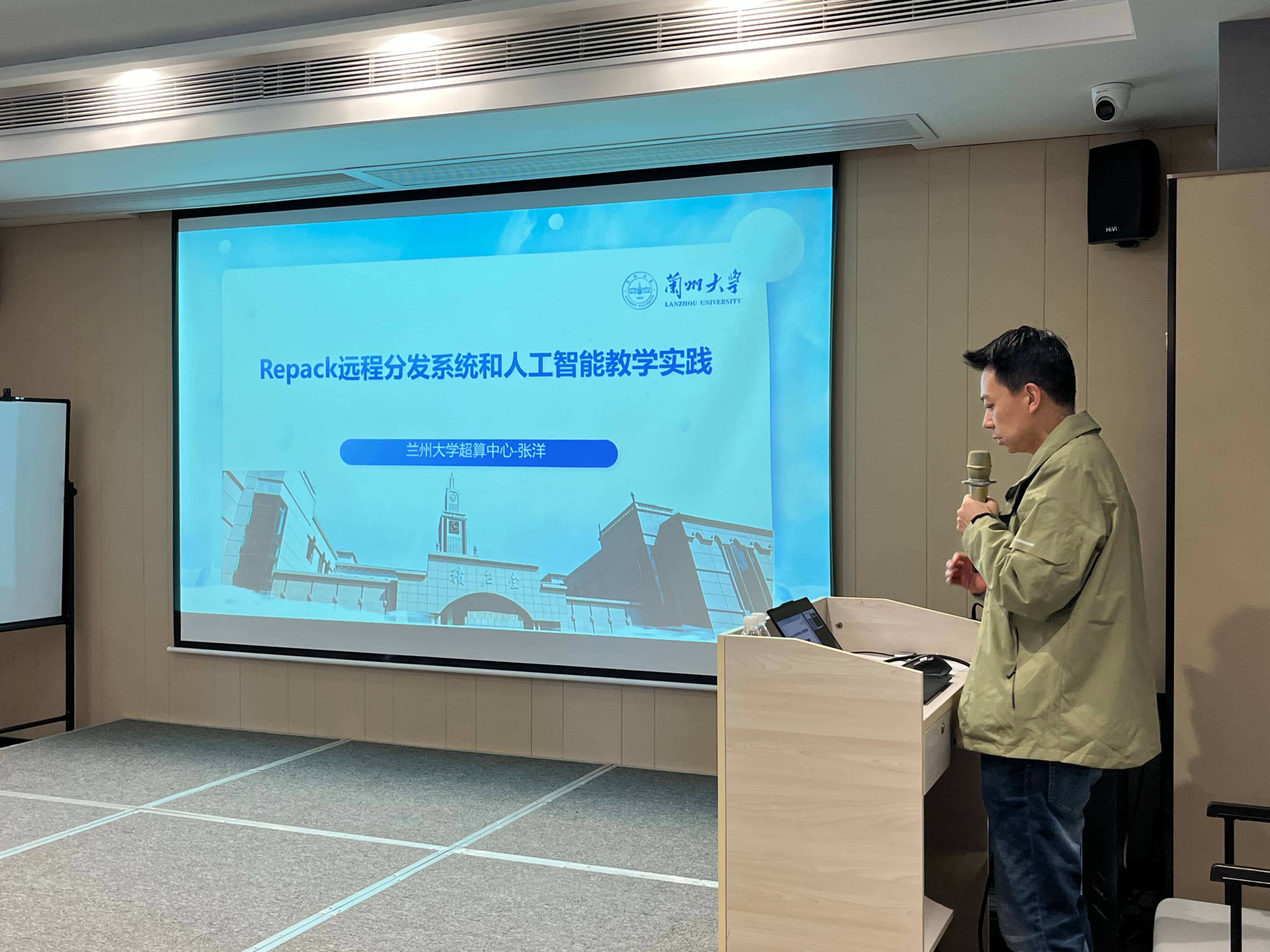
During the sessions, speakers from leading universities shared hands-on practices on topics including the Repack remote distribution system, practical approaches to using computing platforms for AI-enabled teaching, public software management and maintenance for specialised bioinformatics computing platforms, and efficient adaptation and training methods for large language models in low-resource languages. Several participants also presented recent progress from their eScience centres, which sparked strong interest. Company representatives analysed the key issues of “the computing dilemma” and “the path to computing freedom” in depth.
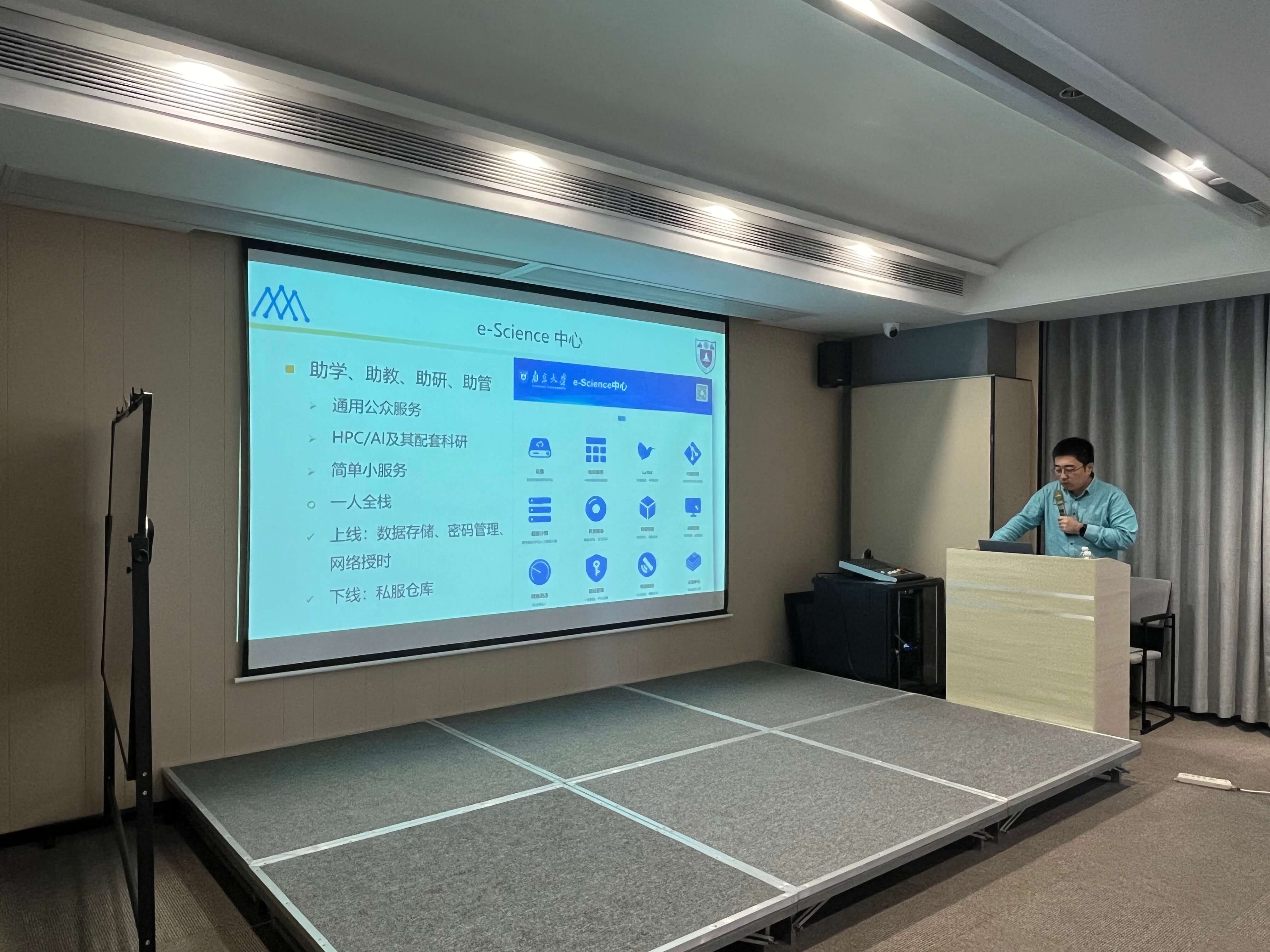
In the open discussion, participants focused on optimising and sharing in-campus computing resources, evaluating domestic computing hardware performance and strengthening its ecosystem, and applying models and agents to education and research. Many agreed that universities face overlapping constraints—tight budgets, limited technical staffing, diverse user needs, and an immature software–hardware ecosystem. Key “time-defining” questions emerged: how to integrate idle in-campus capacity, how to select and deploy domestic equipment rationally, and how to design sustainable cost-sharing and service models. Shared pain points—such as “difficulty in onboarding and managing capacity” and “difficulty in using domestic hardware”—resonated widely with attendees.
Finding common ground on future paths
This seminar provided a practical platform for education and research stakeholders to exchange insights and field experience. Participants consistently stated that in the AI era, computing capacity for education and research must move beyond simply purchasing hardware. It should shift to a more precise, service-oriented operating model. They also expressed interest in continued collaboration to address the opportunities and challenges of the AI era.
CTS Limited will take the discussions into account , focus on shared needs, and work to develop more advanced solutions and service models. The company will actively help build a collaborative and shared computing ecosystem, partnering with more universities and research institutions to shape a future-facing, self-reliant, controllable, intelligent and agile computing landscape for education and research.
*CTS Limited is the Shanghai branch of ClusterTech Group. Learn more: https://liankin.com/


